triceratops
Common Name: Triceratops
Scientific Name: Triceratops horridus (also T. prorsus)
Time Period: Late Cretaceous
Lived: ~68–66 million years ago
Location: Western North America (present-day United States and Canada)
Environment: Plains / Forest
Diet: Herbivore
Length: ~8–9 meters (26–30 feet)
Height: ~3 meters (10 feet) at the hips
Estimated Weight: ~6–12 metric tons
Locomotion: Quadrupedal
Average Speed: ~10–20 km/h (6–12 mph), estimated
Distinguishing Features:
- Three facial horns (two above the eyes, one on the nose)
- Large bony frill at the back of the skull
- Powerful, beak-like mouth for cutting plants
- Stocky, muscular body
Behavior: Likely Herd
Reproduction: Egg-laying
Fossil Evidence: Extensive (one of the most well-represented dinosaurs)
First Described: 1889, Othniel Charles Marsh
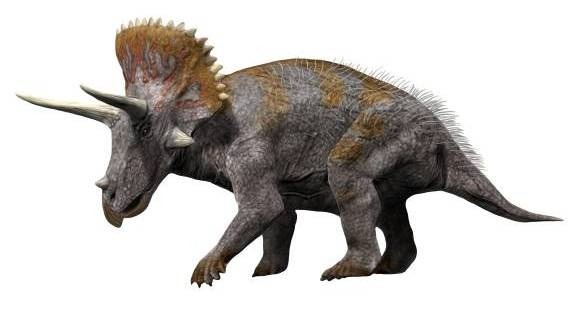
The most well known herbivore is the triceratops, a large three-horned dinosaur that lived during the late cretaceous period around 68 to 66 million years ago, just before the dinosaurs went extinct. triceratops lived in what is now north america and was one of the last non-avian dinosaurs to exist. it ate plants and was a strict herbivore, feeding mainly on low-growing vegetation such as ferns, cycads, palms, and shrubs, which it could easily cut with its sharp, beak-like mouth. triceratops had a massive body, strong legs, and a large bony frill at the back of its head along with two long horns above its eyes and a shorter horn on its nose, which were likely used for defense against predators like tyrannosaurus rex and possibly for display or fighting among members of its own species.